
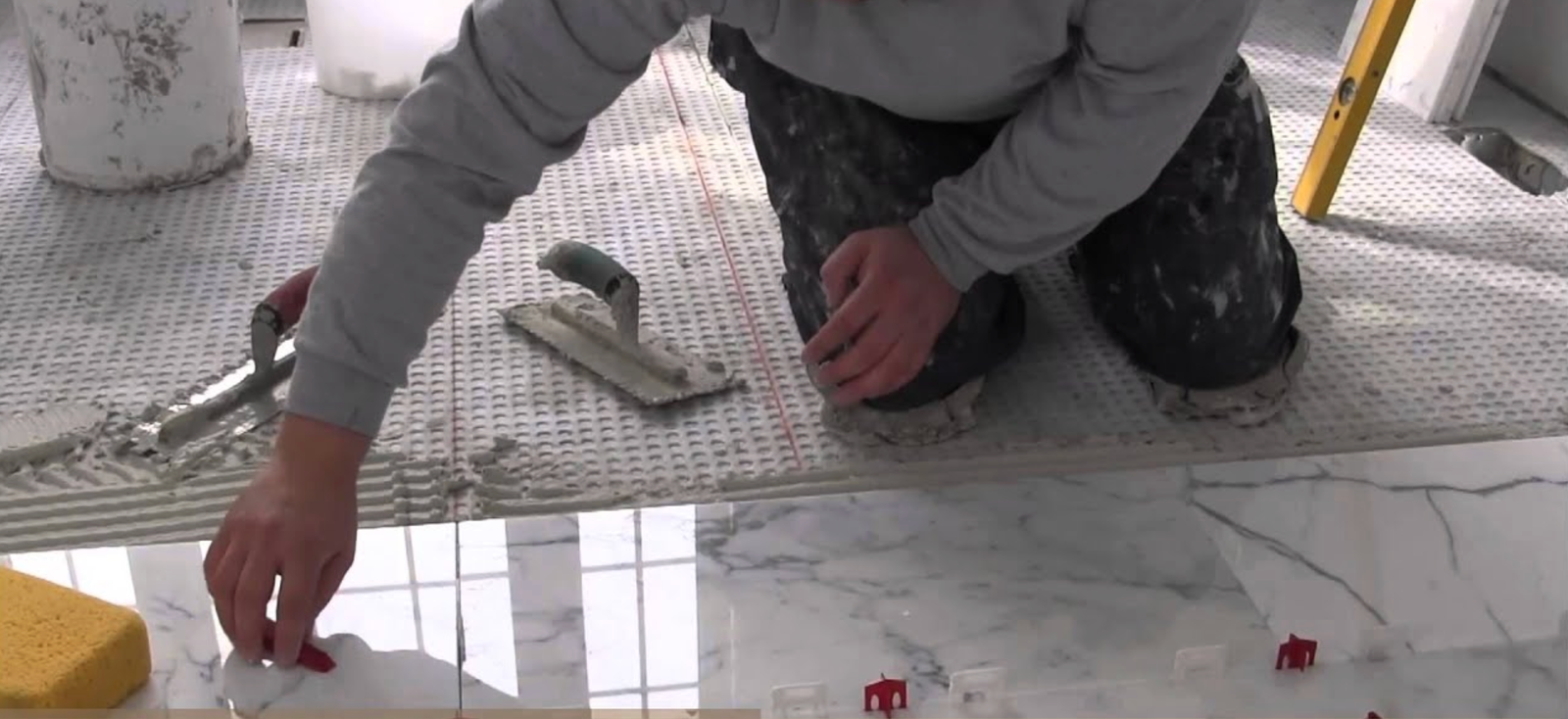
Every interior project has a moment where the "invisible" work either saves the client lakhs of rupees or costs them exactly that. That moment is civil work. Wardrobes, false ceilings, and paint finishes are what clients see and photograph — but demolition, masonry, waterproofing, and plumbing rerouting are what determine whether the home holds up in five years or develops seepage, cracked tiles, and damp walls within one monsoon season.
For freelance site supervisors and turnkey contractors quoting civil work rates per sq ft for home interiors in Delhi, this guide breaks down where the real cost sits, what a realistic 2BHK civil budget looks like, and why cutting corners on wet-area work is the single most expensive mistake in Indian residential interiors.
Why Wet Areas Demand the Budget
Bathrooms and balconies are the two zones in any home where a small execution error compounds into a five-figure — sometimes six-figure — repair bill. The reason is structural: these are the only rooms where water sits against a floor and wall surface daily, and the waterproofing membrane beneath the tile is the only thing standing between that water and the concrete slab below.
Done correctly, waterproofing is completely invisible in the finished space — a client will never see the membrane, the slope correction, or the chemical treatment applied before tiling. This invisibility is exactly why it gets under-quoted or skipped entirely by contractors racing to hit a lower number on a client proposal.
Done incorrectly, or skipped altogether, the consequences show up months later as:
- Seepage into the slab below, which can affect a downstairs neighbor's ceiling in apartment buildings — a liability issue, not just a cosmetic one
- Damp patches and paint peeling on walls adjacent to bathrooms, often mistaken for a painting defect when the real cause is a waterproofing failure
- Tile debonding, where trapped moisture beneath the tile bed causes tiles to hollow-sound and eventually crack or lift
The cost to fix seepage after the fact — which typically requires breaking existing tile work, redoing the waterproofing membrane, and re-tiling — routinely runs into several lakhs of rupees, dwarfing the original cost of doing it correctly. This is the single strongest argument a site supervisor can make to a cost-conscious client: waterproofing is not an optional add-on, it's insurance against the most expensive repair category in residential interiors.
The Civil Cost Spectrum for a 2BHK
Civil work costs scale dramatically based on scope — from minor adjustments to a full wet-area overhaul:
| TierScopeTypical Cost (2BHK) | ||
| Basic | Masonry patchwork, minor tiling adjustments, spot repairs | ₹30,000 – ₹80,000 |
| Premium | Marble installation, custom stone partitions, fully rerouted plumbing | ₹2,00,000 – ₹4,00,000 |
Basic civil scope covers the kind of work every renovation needs regardless of design ambition: patching walls after demolition, adjusting or replacing a section of tiling, minor brick-and-mortar work around new electrical or plumbing points. This is foundational, low-glamour work that still needs to be budgeted accurately — it's often the first line item a client tries to negotiate down, and the first place a rushed contractor cuts corners.
Premium civil scope enters an entirely different cost bracket: full marble flooring installation (which requires more skilled labor and a longer, more careful setting process than vitrified tile), custom stone partition walls, and fully rerouted plumbing lines to support relocated bathrooms, kitchen islands, or wet bars. At this tier, civil work isn't fixing what exists — it's rebuilding the wet-area infrastructure of the home.
Material Selection vs. Upkeep: The Trade-Off Clients Don't See Coming
One of the most valuable conversations a site supervisor or contractor can have with a client happens before material selection — because the cheaper material today isn't always the cheaper material over five years.
Vitrified Tiles
- Low upfront cost, widely available across NCR wholesale markets
- Low maintenance — resistant to staining, doesn't require periodic sealing or polishing
- Consistent factory finish means predictable installation timelines
- The practical default for budget-conscious 2BHK and 3BHK projects
Imported Marble
- High initial material and installation cost — skilled labor for marble setting commands a premium over tile-laying
- Requires periodic polishing and re-sealing to maintain its finish and shine over time
- Porous by nature — stains easily from common household substances, most notably turmeric and oil, which is a genuine concern in Indian kitchens and dining areas
- Delivers a visual and tactile luxury that vitrified tile simply cannot replicate, which is why it remains the premium-tier default despite the upkeep burden
The right recommendation depends entirely on the client's lifestyle and long-term maintenance appetite — a family that cooks daily with turmeric-heavy Indian cuisine may regret marble flooring in a kitchen or dining area regardless of budget, while the same marble in a low-traffic formal living room can be a genuine long-term investment.
Wholesale Tile and Stone Markets in NCR
Sourcing directly rather than through a contractor's marked-up supply chain is one of the clearest ways to protect margin on civil work:
- Gurgaon Sector 34 — beyond its reputation for premium hardware fittings, this cluster is also a strong source for quality tile and stone options, particularly for contractors already sourcing hardware in the same trip.
- Local Delhi stone yards — scattered across the city's wholesale zones, these yards are where experienced contractors source marble and natural stone directly from suppliers, often with the ability to inspect slab veining and quality in person before committing to a batch — critical for premium marble work where consistency across slabs affects the final finished look.
Visiting these markets directly, rather than relying solely on a single vendor's catalogue, gives site supervisors leverage to compare pricing and quality side by side before locking in a client's material budget.
Get Competitive Quotes from Verified Suppliers
🏗️ Use Our B2B Trade-Discount Material Sourcing Directory Get competitive quotes directly from verified local tile and brick suppliers across Delhi NCR — compare pricing, check stock availability, and lock in trade discounts before you finalize your civil work BOQ. [Browse the Directory →]
Civil work margins are won or lost at the sourcing stage as much as the labor-quoting stage. A verified supplier directory takes the guesswork out of comparing vendors, so your client quote reflects real, competitive material pricing — not a single contractor's markup.
Rates reflect general Delhi NCR market ranges for 2026 and vary by site condition, material availability, and scope of civil work. Always confirm current per-sq-ft rates with your civil contractor before finalizing a client quote.